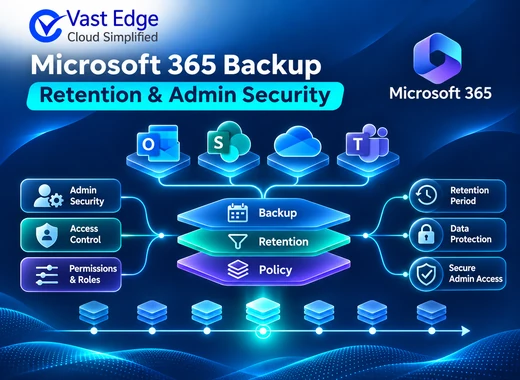
A Microsoft 365 restore test should use controlled content, the smallest safe scope and written acceptance criteria. Test Exchange, OneDrive and SharePoint separately because their restore points, destinations and validation differ. Record the policy, point in time, operator, duration, warnings and result, then confirm content, permissions and business usability before closing the test.
How Do You Test Microsoft 365 Restores and Define Acceptance?
PublishedNov 24, 2026
C
AuthorChloe Gallagher
What should a restore test prove?
What should a restore test prove? Begin with protection coverage, available restore points, authorized operator, destination, content integrity, permissions and business use. Define the business event, the authoritative record and the person responsible for the outcome. A feature label is not an acceptance standard. The procedure must explain what is expected, what evidence proves completion and which condition requires escalation.
Create a normal path and an exception path for protection coverage, available restore points, authorized operator, destination, content integrity, permissions and business use. Use unique identifiers, timestamps and reason codes so another reviewer can reconstruct the action. Where a decision can change inventory, access or recoverable data, require an approved owner and preserve the before-and-after state.
Test protection coverage, available restore points, authorized operator, destination, content integrity, permissions and business use with representative data and least-privilege roles. Include a partial transaction, invalid input, duplicate attempt and delayed dependency. Compare the final business result with operational logs, then classify each gap as data, configuration, process, integration, permission or product scope.
Add protection coverage, available restore points, authorized operator, destination, content integrity, permissions and business use to the operating review. Track recurring failures, the oldest unresolved exception and corrective actions. A successful test should be repeatable by the assigned team, not dependent on an undocumented workaround or one administrator’s memory.
| Test | Minimum validation | Acceptance owner |
|---|---|---|
| Exchange items | Open content, attachments, folders and access | Mailbox owner |
| OneDrive files | Content, versions, owner, sharing and links | Data owner |
| SharePoint content | Files, metadata, permissions and dependencies | Site owner |
How should safe test data and scope be chosen?
How should safe test data and scope be chosen? Begin with non-sensitive representative items, isolated destination, approved users, known timestamps, dependencies and cleanup rules. Define the business event, the authoritative record and the person responsible for the outcome. A feature label is not an acceptance standard. The procedure must explain what is expected, what evidence proves completion and which condition requires escalation.
Create a normal path and an exception path for non-sensitive representative items, isolated destination, approved users, known timestamps, dependencies and cleanup rules. Use unique identifiers, timestamps and reason codes so another reviewer can reconstruct the action. Where a decision can change inventory, access or recoverable data, require an approved owner and preserve the before-and-after state.
Test non-sensitive representative items, isolated destination, approved users, known timestamps, dependencies and cleanup rules with representative data and least-privilege roles. Include a partial transaction, invalid input, duplicate attempt and delayed dependency. Compare the final business result with operational logs, then classify each gap as data, configuration, process, integration, permission or product scope.
Add non-sensitive representative items, isolated destination, approved users, known timestamps, dependencies and cleanup rules to the operating review. Track recurring failures, the oldest unresolved exception and corrective actions. A successful test should be repeatable by the assigned team, not dependent on an undocumented workaround or one administrator’s memory.
What should an Exchange recovery test validate?
What should an Exchange recovery test validate? Begin with mail, attachments, contacts, calendar items, filters, folders, duplicates, item counts, user access and documented limits. Define the business event, the authoritative record and the person responsible for the outcome. A feature label is not an acceptance standard. The procedure must explain what is expected, what evidence proves completion and which condition requires escalation.
Create a normal path and an exception path for mail, attachments, contacts, calendar items, filters, folders, duplicates, item counts, user access and documented limits. Use unique identifiers, timestamps and reason codes so another reviewer can reconstruct the action. Where a decision can change inventory, access or recoverable data, require an approved owner and preserve the before-and-after state.
Test mail, attachments, contacts, calendar items, filters, folders, duplicates, item counts, user access and documented limits with representative data and least-privilege roles. Include a partial transaction, invalid input, duplicate attempt and delayed dependency. Compare the final business result with operational logs, then classify each gap as data, configuration, process, integration, permission or product scope.
Add mail, attachments, contacts, calendar items, filters, folders, duplicates, item counts, user access and documented limits to the operating review. Track recurring failures, the oldest unresolved exception and corrective actions. A successful test should be repeatable by the assigned team, not dependent on an undocumented workaround or one administrator’s memory.
What should OneDrive and SharePoint tests validate?
What should OneDrive and SharePoint tests validate? Begin with files, folders, versions, metadata, destination behavior, inherited permissions, links, sharing and connected processes. Define the business event, the authoritative record and the person responsible for the outcome. A feature label is not an acceptance standard. The procedure must explain what is expected, what evidence proves completion and which condition requires escalation.
Create a normal path and an exception path for files, folders, versions, metadata, destination behavior, inherited permissions, links, sharing and connected processes. Use unique identifiers, timestamps and reason codes so another reviewer can reconstruct the action. Where a decision can change inventory, access or recoverable data, require an approved owner and preserve the before-and-after state.
Test files, folders, versions, metadata, destination behavior, inherited permissions, links, sharing and connected processes with representative data and least-privilege roles. Include a partial transaction, invalid input, duplicate attempt and delayed dependency. Compare the final business result with operational logs, then classify each gap as data, configuration, process, integration, permission or product scope.
Add files, folders, versions, metadata, destination behavior, inherited permissions, links, sharing and connected processes to the operating review. Track recurring failures, the oldest unresolved exception and corrective actions. A successful test should be repeatable by the assigned team, not dependent on an undocumented workaround or one administrator’s memory.
How should RPO and elapsed recovery time be recorded?How should RPO and elapsed recovery time be recorded? Begin with documented restore-point frequency, policy age, data size, item count, service state, start and finish times without promises. Define the business event, the authoritative record and the person responsible for the outcome. A feature label is not an acceptance standard. The procedure must explain what is expected, what evidence proves completion and which condition requires escalation.
Create a normal path and an exception path for documented restore-point frequency, policy age, data size, item count, service state, start and finish times without promises. Use unique identifiers, timestamps and reason codes so another reviewer can reconstruct the action. Where a decision can change inventory, access or recoverable data, require an approved owner and preserve the before-and-after state.
Test documented restore-point frequency, policy age, data size, item count, service state, start and finish times without promises with representative data and least-privilege roles. Include a partial transaction, invalid input, duplicate attempt and delayed dependency. Compare the final business result with operational logs, then classify each gap as data, configuration, process, integration, permission or product scope.
Add documented restore-point frequency, policy age, data size, item count, service state, start and finish times without promises to the operating review. Track recurring failures, the oldest unresolved exception and corrective actions. A successful test should be repeatable by the assigned team, not dependent on an undocumented workaround or one administrator’s memory.
For related context, review the Office 365 backup evaluation guide and backup and disaster recovery planning guide. These resources provide context and do not replace the topic-specific acceptance checks above.
How should RPO and elapsed recovery time be recorded? Begin with documented restore-point frequency, policy age, data size, item count, service state, start and finish times without promises. Define the business event, the authoritative record and the person responsible for the outcome. A feature label is not an acceptance standard. The procedure must explain what is expected, what evidence proves completion and which condition requires escalation.
Create a normal path and an exception path for documented restore-point frequency, policy age, data size, item count, service state, start and finish times without promises. Use unique identifiers, timestamps and reason codes so another reviewer can reconstruct the action. Where a decision can change inventory, access or recoverable data, require an approved owner and preserve the before-and-after state.
Test documented restore-point frequency, policy age, data size, item count, service state, start and finish times without promises with representative data and least-privilege roles. Include a partial transaction, invalid input, duplicate attempt and delayed dependency. Compare the final business result with operational logs, then classify each gap as data, configuration, process, integration, permission or product scope.
Add documented restore-point frequency, policy age, data size, item count, service state, start and finish times without promises to the operating review. Track recurring failures, the oldest unresolved exception and corrective actions. A successful test should be repeatable by the assigned team, not dependent on an undocumented workaround or one administrator’s memory.
For related context, review the Office 365 backup evaluation guide and backup and disaster recovery planning guide. These resources provide context and do not replace the topic-specific acceptance checks above.
Which acceptance criteria determine pass or fail?
Which acceptance criteria determine pass or fail? Begin with required content, acceptable gaps, permission behavior, evidence completeness, business-owner sign-off, severity and retest. Define the business event, the authoritative record and the person responsible for the outcome. A feature label is not an acceptance standard. The procedure must explain what is expected, what evidence proves completion and which condition requires escalation.
Create a normal path and an exception path for required content, acceptable gaps, permission behavior, evidence completeness, business-owner sign-off, severity and retest. Use unique identifiers, timestamps and reason codes so another reviewer can reconstruct the action. Where a decision can change inventory, access or recoverable data, require an approved owner and preserve the before-and-after state.
Test required content, acceptable gaps, permission behavior, evidence completeness, business-owner sign-off, severity and retest with representative data and least-privilege roles. Include a partial transaction, invalid input, duplicate attempt and delayed dependency. Compare the final business result with operational logs, then classify each gap as data, configuration, process, integration, permission or product scope.
Add required content, acceptable gaps, permission behavior, evidence completeness, business-owner sign-off, severity and retest to the operating review. Track recurring failures, the oldest unresolved exception and corrective actions. A successful test should be repeatable by the assigned team, not dependent on an undocumented workaround or one administrator’s memory.
How should test evidence improve the runbook?
How should test evidence improve the runbook? Begin with screenshots or logs, activity and audit records, observed limitations, escalation contacts, procedure changes and review dates. Define the business event, the authoritative record and the person responsible for the outcome. A feature label is not an acceptance standard. The procedure must explain what is expected, what evidence proves completion and which condition requires escalation.
Create a normal path and an exception path for screenshots or logs, activity and audit records, observed limitations, escalation contacts, procedure changes and review dates. Use unique identifiers, timestamps and reason codes so another reviewer can reconstruct the action. Where a decision can change inventory, access or recoverable data, require an approved owner and preserve the before-and-after state.
Test screenshots or logs, activity and audit records, observed limitations, escalation contacts, procedure changes and review dates with representative data and least-privilege roles. Include a partial transaction, invalid input, duplicate attempt and delayed dependency. Compare the final business result with operational logs, then classify each gap as data, configuration, process, integration, permission or product scope.
Add screenshots or logs, activity and audit records, observed limitations, escalation contacts, procedure changes and review dates to the operating review. Track recurring failures, the oldest unresolved exception and corrective actions. A successful test should be repeatable by the assigned team, not dependent on an undocumented workaround or one administrator’s memory.
Key Takeaways
- 01Start with a defined business outcome, authoritative record and accountable owner.
- 02Test both normal activity and difficult exceptions with representative data.
- 03Use measurable acceptance evidence and business-owner validation before closing the work.
- 04Record product limits and observed results without converting them into universal guarantees.
Explore the Relevant Vast Edge Solution
If your organization needs support applying these controls, review Vast Edge Microsoft 365 Backup. Use a discovery session to confirm supported scope, exclusions, administration and acceptance evidence before discussing implementation or service options.
Loading...